Oil Executives Warning
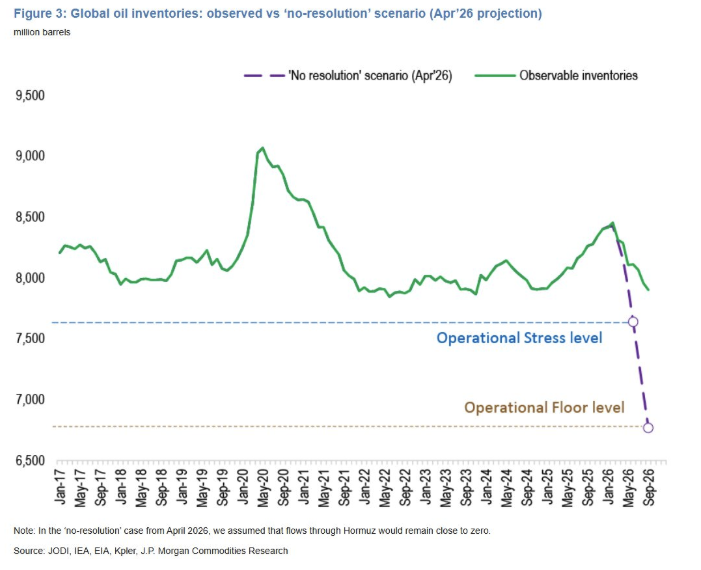
Reportedly, several oil industry executives have privately warned the White House that the ongoing closure of the Strait of Hormuz is straining global oil inventories. As this war continues, with no end in sight, it could lead to gas price spikes in the coming weeks.
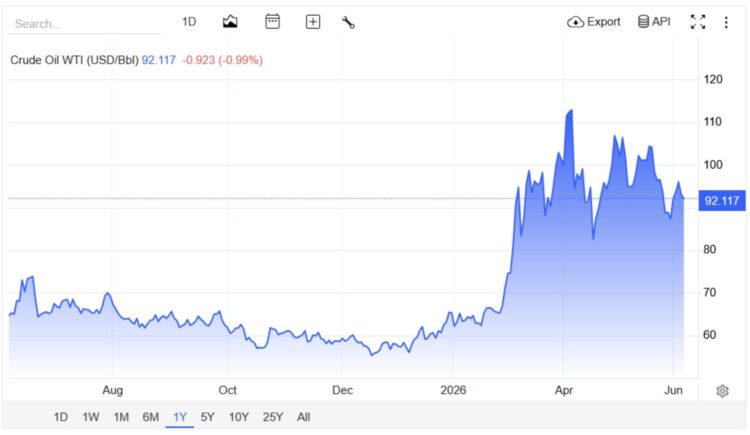
The war in Iran has reduced U.S. oil stockpiles to levels not seen since 2004, and that is close to a critical level that could usher in another round of sharp price hikes. Even the more cautious oil prognosticators are talking about per-barrel prices close to and above $150. The more alarmist predictions assert that $200 a barrel is a distinct possibility.
For those trying to work out what this means for the motorist or trucking company, it means the pump prices soar to between $6 and $10 a gallon. Diesel would average around $8 to $15.
There are no more than 46 days of reserves left. At the same time, oil exporters in the U.S. have been rushing to meet demand from Europe and Asia as these regions have been cut off from their usual supply.
Warning from the OECD
Almost every international organization has been lining up to warn of impending economic catastrophe if there is no solution reached to the Iran war. This comes as no surprise, given the damage already caused by skyrocketing energy prices. The poorer nations are already at a breaking point as they can’t afford these price hikes. Richer nations have slightly greater resilience, but their populations’ patience has been exhausted.
The Organization for Economic Cooperation and Development (OECD) paints one of the grimmest pictures, assuming this conflict could extend well into 2027. If that takes place, the impact will be brutal, with extremely high interest rates imposed as inflation soars and global growth falls to as low as 1.8%.
That is global recession territory.
Read more on how today’s news and other global items are affecting the supply chain.