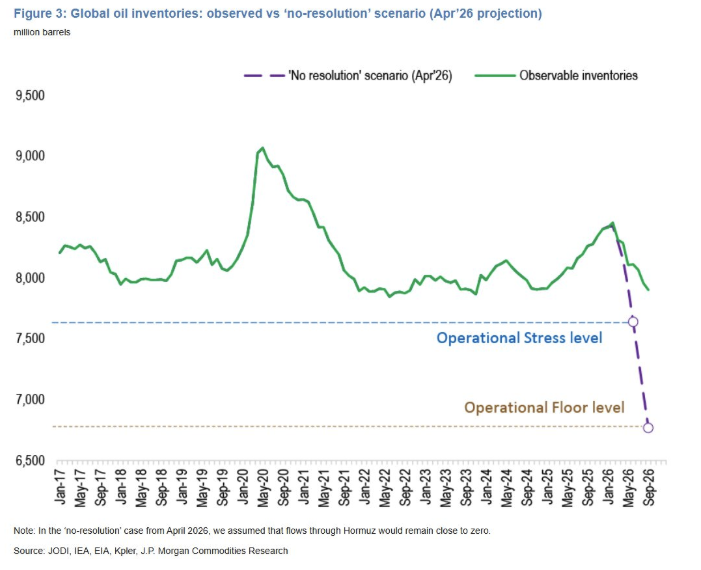
The Top of Most Lists This Week…Oil
Beyond inflation and unemployment, the next biggest factor that moves the consumer needle is energy.
What will things cost? And will I be able to pay for them?
The impact of higher energy prices on the supply chain is most immediate in the transportation sector during the short term. All those trucks, trains, ships, and planes also need fuel. As their costs increase, they will pass that extra expense to shippers. Businesses can impose a fuel surcharge, and they will.
This creates a medium-term impact.
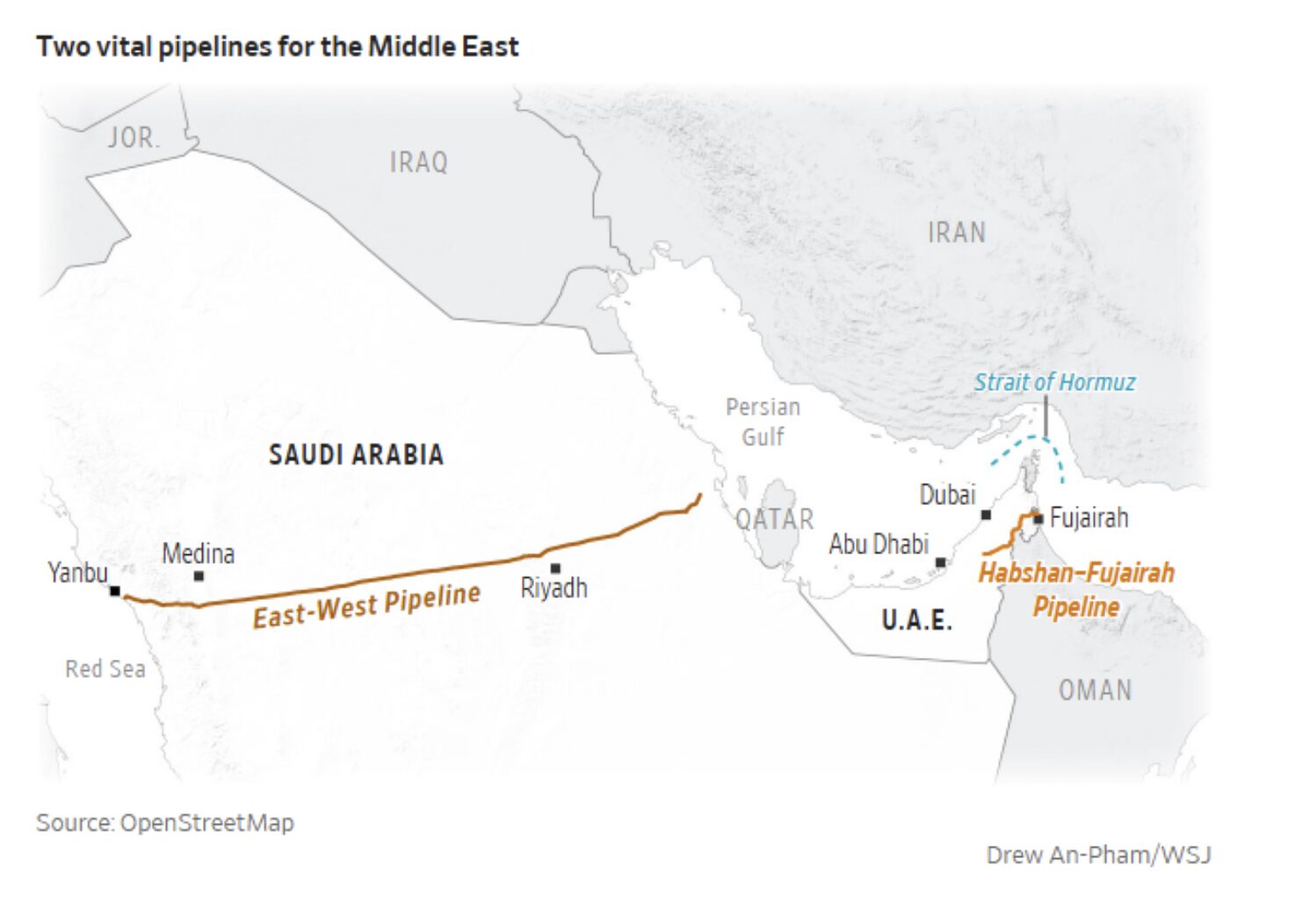
With the blockage at the Strait of Hormuz, the global economy may need two pipelines now more than ever. These appear to be the most critical pieces of energy infrastructure in the world. They are the only means of extracting a significant amount of oil from the region. The issue? The pipeline across Saudi Arabia has never run at full capacity. However, any opportunity to elevate constraint will be invaluable
U.S. Domestic Economic Items
One of the most challenging questions for an economist to answer is about what the future might hold. The truth is that economic conditions and pressures change every day—and often every hour. It can be very difficult to keep up. In recent months, the economic landscape has been shaken by on-again, off-again tariffs, recent High Court rulings, a change in regime in Venezuela, trade disputes, and, lately, armed conflict with Iran. What will all this mean in the future, and what is likely to come next?
There are four economic issues that have the biggest impact on business overall and on manufacturers in particular. Leading the list is growth, but inflation threats are a close second. The third main concern is the state of the supply chain, and finally, the effect of all this on labor markets.
These aren’t the only issues to worry about, but all four are connected.
Read more for details about how these factors may impact your business.