Bond Rates Are Soaring
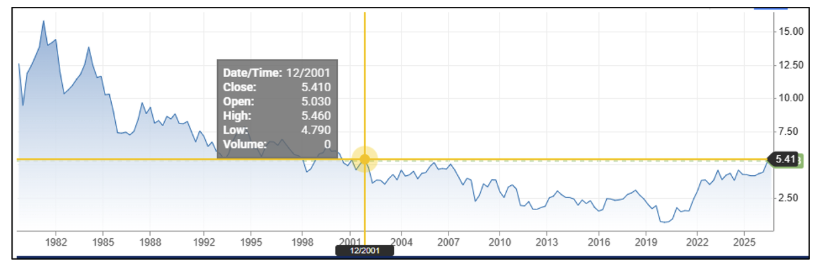
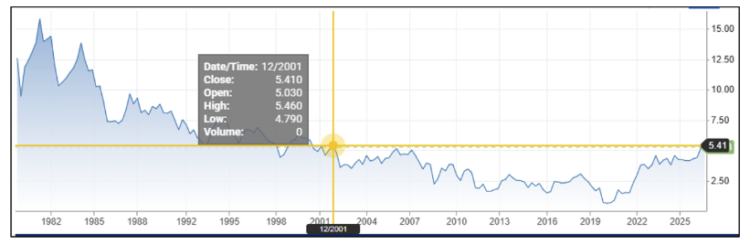
None of us can predict what will happen, but when you consider that the 10-Year U.S. Treasury rate is a benchmark for nearly all interest-bearing rates (I’ve taken a little liberty there), and it just hit highs not seen since December 2001, we have to pay attention.
Many CFOs and financial managers have never managed through an interest rate environment like this. It isn’t the interest rate environment alone; converging operating conditions matter. If you have the highest interest rates since 2001, the highest raw material input prices and wage/benefit costs in five years, and customers pushing back on any price hikes for your products/services, you are facing difficult operating conditions.
At the time of writing, the 10-year yield was 5.259%. Many analysts believe that 5.3%-5.5% is a technical wall that would tip the economy toward contraction. It isn’t a magic threshold that suddenly triggers a recession. Still, it marks the start of operating pressure that, if sustained, would lead to more bankruptcies and broader problems across many industries.
Areas of specific concern to watch include nonresidential construction (outside of data center activity), automotive sales to interest-rate-sensitive consumer segments, corporate bond issuances (which could affect machinery purchases), and Ag and the health of U.S. farmers.
It’s a Busy Economic Week
This will be a very aggressive week for economic news. Many important releases will be reported.
Stock market volatility is possible, and these releases could set the tone for a potential October rate hike (which would be very rare right before a major national election). Some analysts are now calling for a half- to ¾-point hike before the end of the year if economic growth stays as strong as current data suggests.
Read more about how this, along with financial developments and other global issues, could affect your supply chain.