The Fog of War’s Impact
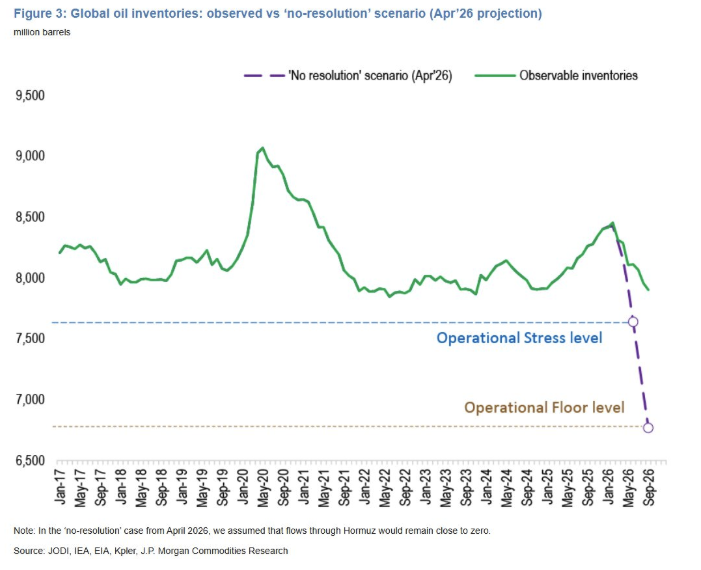
A World Bank Commodity Markets Outlook published this week projects that 2026 commodity prices will hit six-year lows, driven by oversupply, a structural slowdown in China, and policy uncertainty, with Brent averaging just $60/barrel for the full year.
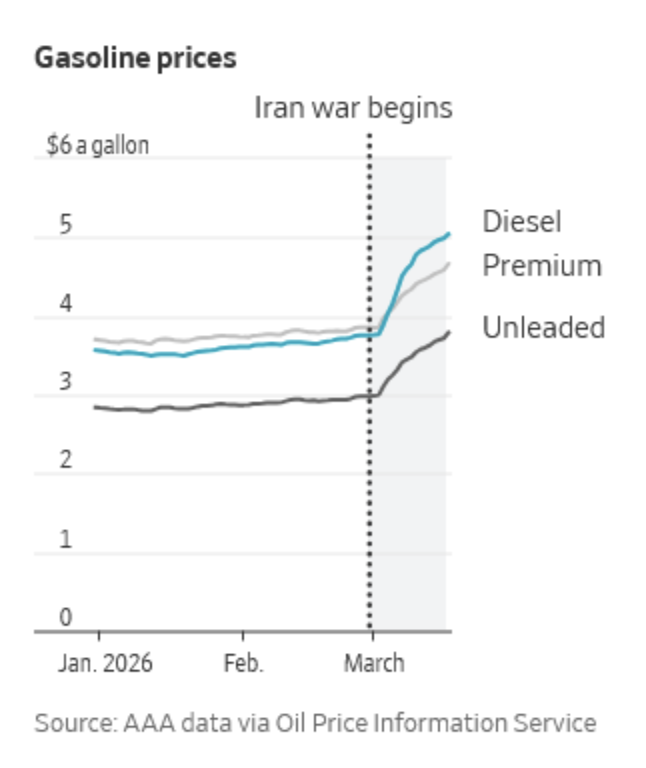 Seems like a contradiction based on events unfolding in the Middle East?
According to the experts, this is not a contradiction.
With current events and the upward pressure on commodity prices, they stated that it reflects a base case in which the conflict resolves.
Now, for business leaders…here is the warning and the tough part.
The market is holding two opposing scenarios simultaneously: a $60-per-barrel base case and a $100+-per-barrel continuing-conflict case.
Business leaders’ operating environment exists within that spread, and businesses planning capital expenditures or long-term procurement decisions right now are essentially being asked to make a geopolitical bet based on the news available to them.
The business forecast is calling for fog at a time when a clear direction is needed.
Flash PMI Reports Show No Impact…for Now
 The Flash PMIs showed that the U.S. services sector moved from 51.7 to 51.1 (a slight decrease, mostly due to higher fuel prices, spring break, and other factors). The U.S. manufacturing sector moved in the opposite direction, rising from 51.6 to 52.4, as the U.S. economy is the focus of all business leaders.
The PMI report shows a U.S. consumer and business executive who was wary early in the month as the war kicked off. But spending plans were only tempered slightly by the war at this point.
Generally, everyone is still waiting to see whether there are any real changes in consumer spending thresholds due to rising energy prices (in the near term), and what that will do to demand later in this cycle as producer prices start to flow through to retail products.
Duration is key. However, so is the long-term global impact.
Read more for details about how these factors may impact your business.